TREATMENT TIME
45-60 mins
DOWNTIME
0-2 Days
RESULTS
3-6 Months
(Gradually)
CONSULTATION
Required
What is PRP?
Platelet-rich plasma, commonly called PRP, is a preparation obtained from a small sample of your own blood.
The sample is processed in a centrifuge to separate its components and produce plasma containing a concentrated level of platelets. The prepared PRP is then administered to selected areas according to your individual treatment plan.
Platelets contain signalling proteins involved in the body’s normal tissue-repair processes. When administered into the skin, PRP may support gradual tissue remodelling and improvements in skin quality.

Simplified illustration. PRP composition varies according to the preparation system and clinical protocol.
The PRP Process
Blood Collection

A small sample of your blood is collected using a sterile collection system.
Centrifugation
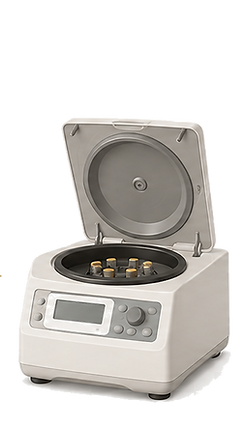
The sample is placed in a centrifuge to separate its different components.
PRP Preparation
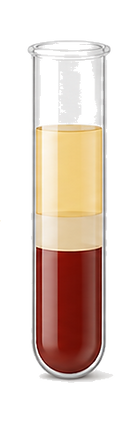
The platelet-rich portion of the plasma is carefully prepared for treatment.
administration
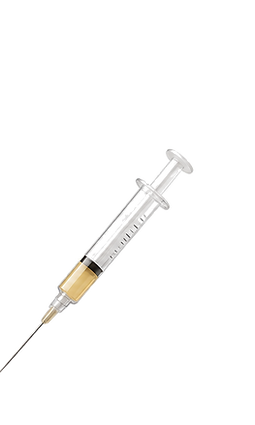
The prepared PRP is administered to selected facial areas using the technique recommended by your doctor.
How PRP Hair Restoration
Works
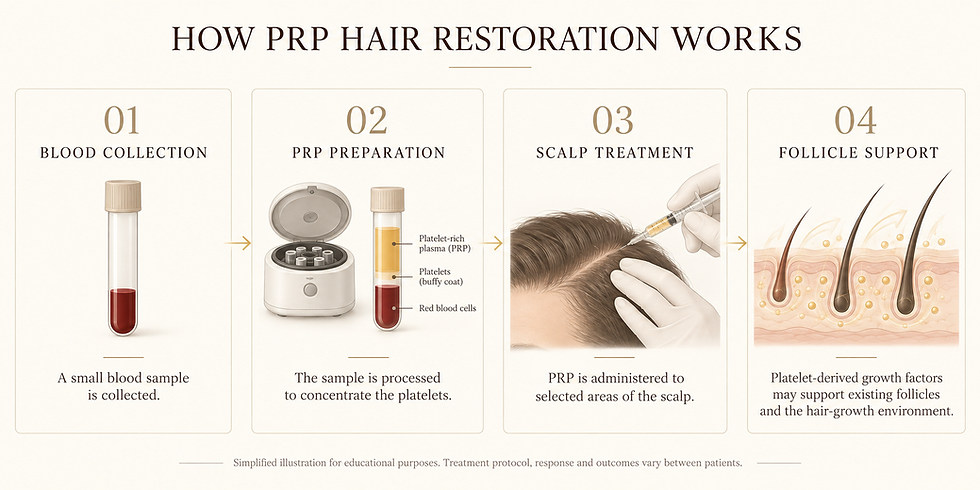
PRP hair restoration begins with a small sample of your own blood, which is processed to concentrate the platelets within the plasma.
The prepared PRP is then carefully administered to selected areas of the scalp. Platelets release growth factors that may help support existing hair follicles and improve the surrounding hair-growth environment.
Changes develop gradually, and a personalised series of treatments may be recommended depending on the cause and extent of hair loss.
What can it help address?
Not every area is suitable for every patient. Your doctor will recommend treatment based on your individual anatomy and clinical assessment.
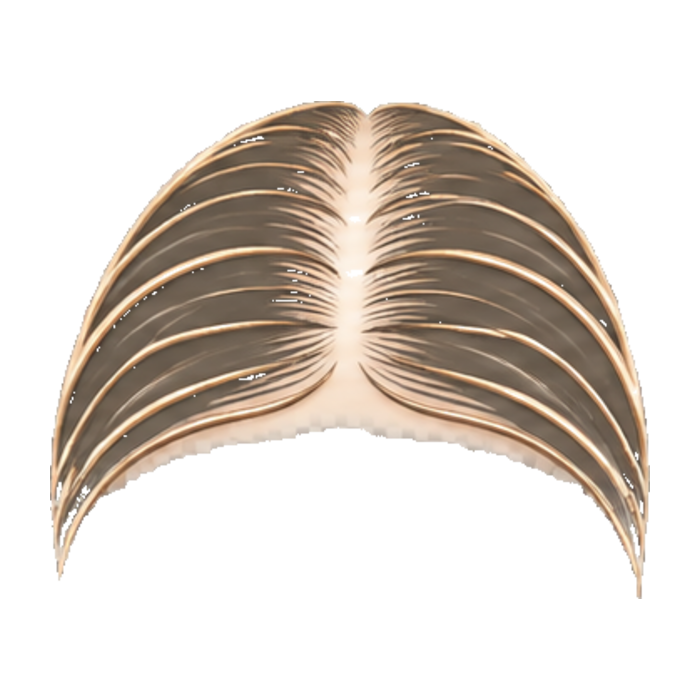
Widening Hair Part

Thinning at the Crown

Receding Hairline

Diffuse Hair Thinning

Finer Hair & Density
Potential Benefits & Expected Treatment Response

• May support existing hair follicles
• May help reduce excessive shedding
• May improve hair density in suitable patients
• May support increased hair thickness and strength
• Uses platelet-rich plasma prepared from your own blood
• Can complement a wider medical hair-restoration plan
• Maintenance sessions may be advised to help sustain the response
IMMEDIATELY AFTER TREATMENT
The scalp may feel slightly tender, tight or sensitive following treatment. Mild redness, swelling or pinpoint marks can occur around the treated areas and generally begin to settle shortly afterwards.
fIRST 24-48 HOURS
Temporary tenderness or sensitivity may continue during the first two days. Avoid rubbing or scratching the scalp, strenuous exercise, excessive heat and harsh hair products.
fOLLOWING DAYS
Most temporary effects should gradually improve over the next few days. Gentle hair care can usually be resumed as advised. Contact the clinic if you experience worsening pain, persistent swelling, unusual discharge, fever or any other concerning symptoms.